How to Choose a DSLR Camera?
With a range of cameras available to the consumer including a camera phone, a compact camera and a bridge camera why buy a DSLR camera?
In this quick guide I provide the main features that differentiate DSLRs from other cameras available:
Interchangeable lens:
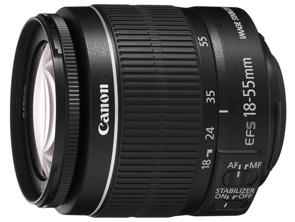
One of the greatest benefits of owning a DSLR camera is that you are able to attach different lenses to your camera to suit your photography requirements. Simply detach one lens from the body of the DLSR camera and attach another one. From wide-angle lenses for wonderful landscapes, to macro lenses which can get you eye to eye with a insects, through to telephoto and prime lenses, there are literally thousands of lenses that are available to suit the style of the photography or the type of photograph that you want.
Optical viewfinder:
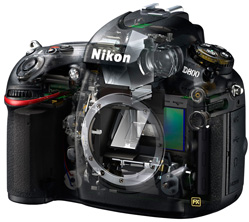
The SLR in the camera description simply stands for Single Lens Reflex, which means the way the camera views the image. The DLSR uses mirrors and prisms so what you see through the viewfinder or the screen when on live view is exactly what you get in your photograph. With compact digital cameras and some bridge cameras the image that is shown on the LCD screen may be significantly different from what will be captured in the final photograph.
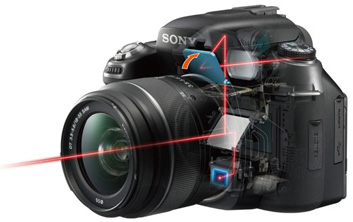
Image sensor:
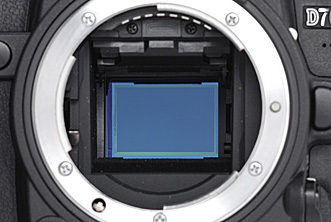
What helps to achieve higher quality photographs with a DSLR than that with a compact or bridge camera is that they have a much larger and better quality sensor. An image sensor is the chip that is found inside a digital camera. The chip is covered with light-sensitive pixels that convert the light that is transmitted through the camera lens into a digital image. By having a larger sensor it will have larger pixels that are more sensitive to the light coming into the camera, so will be capable of producing sharp, detailed photos even in low-light conditions.
Speed:
A huge benefit of owning a DSLR is that it is a lot quicker in taking photographs. Firstly, you have an almost instant start up, plus with fast focusing and zero shutter lag, a DSLR will take a series of photos in quick succession. This is known as burst mode, which can range from 4-6+ photographs per second. This means you’ll never miss a vital shot, making a DSLR camera ideal for sports, wildlife or action photography.

Build quality:
A DSLR camera is built to a higher standard than most compact and bridge cameras. A DSLR camera tends to be made of metal rather than plastic, and many are toughened and weather-sealed for use in difficult and extreme shooting conditions.
Manual control:
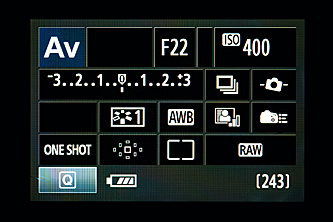
DSLRs offer a wealth of manual controls not seen on many compact or bridge cameras, allowing you to produce more creative photography. From setting white balance, the sensor sensitivity (ISO), aperture, shutter speed and the focal length you can adjust the settings manually to get the desired effect, that you want. With their larger bodies, DSLR cameras will have lots of buttons and control dials available at quick access so you can change the settings quickly without having to navigate around the menu system.
Accessories:
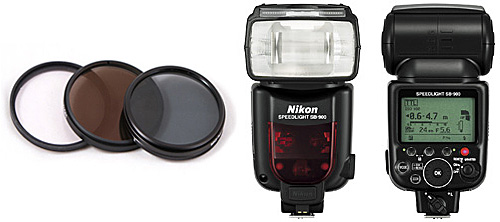
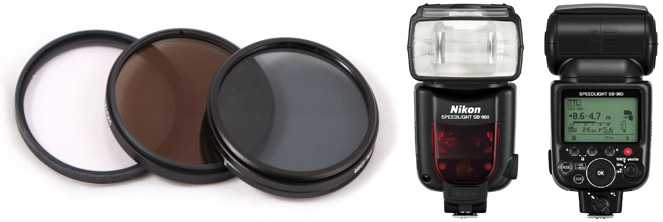
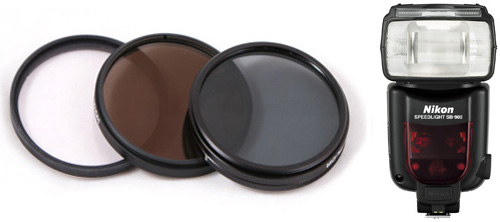
With a DSLR camera you can choose from a huge range of accessories to for different types of photography. This includes lenses, lens filters, battery backs and external flash units.
Price:
A DLSR camera’s advanced features and functions do come at a higher price and buying when buying additional lenses this can become very expensive. However, with entry-level DSLR prices starting at only around £300, a DLSR can be cheaper than a top-of-the-range compact camera.
If you have any further questions then please do call or text Jeff on 07961 100 580 or e-mail Jeff here