
From the training company that brings you the best photography training courses in Essex, Herts and Suffolk for Wedding Photographers and Portrait Photographer
Taking Photographs in the Snow
Winter is a great time to get out with you camera so here I give you 10 top tips on how to take photographs in the Snow.
Please follow me on Twitter here
While there’s certainly no shortage of subjects to capture, getting the shot right can be tricky. Variable light conditions, reflections off bright snow, and hazardous weather conditions combine to make winter the most challenging, yet rewarding, time of year to photograph.
With so many people around the country already enjoying our current snowy weather, plus with many people going away skiing, I thought this would be a good time to post a few tips ensure you get your amazing snow & winter shots.
Here are a selection of photographs taking form my local area in Great Notley the last time we had a large amount of snow
Please do some feedback at the bottom of the page. Thank you.
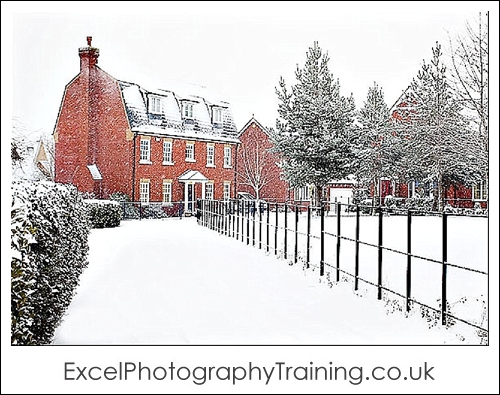
1. Shoot for Proper Exposure: The light meter in your digital camera is a highly sophisticated piece of electronics, but it can be completely mystified by a bright field of snow. When shooting an intense scene like that, your camera tries to adjust for the mid-tone in the scene and will most likely underexpose slightly.
The result is gray, murky-looking snow. This can be fixed by increasing the exposure compensation before you take the shot. How much of an increase depends on the lighting situation and the sensitivity of your camera, but a setting between +0.3 and +1.0 EV should do the trick. The slight overexposure will return the snow to its proper whiteness.
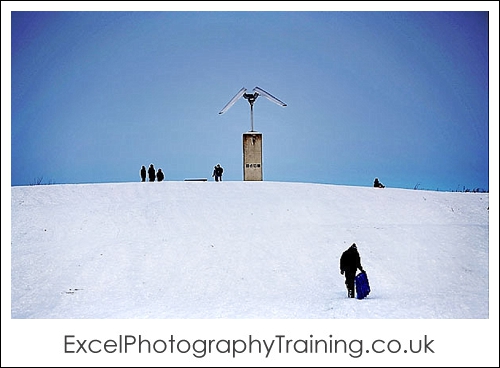
2. The Importance of Time of Day: The time of day can have a dramatic effect on your images, especially when you’re shooting in snow. The early morning and later afternoon hours will provide warm, pastel tones while the bright light of midday offers cooler and more neutral tones. If you’re looking for colour in your photography, avoid the middle of the day and use the warm light of dawn and dusk to your advantage.
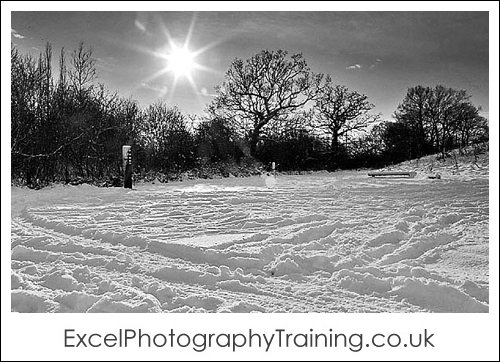
3. Throw Some Light on the Subject: Conventional photographic wisdom states that your flash is pretty much useless outdoors. However, when shooting in snow, firing a flash can provide highlights and bring out details your camera might not have picked up on. The high reflection factor of the snow allows the flash to add texture and interest to a flat field of snow.
The flash might also pick up any falling snow in the scene, adding depth. Avoid using flash when shooting close-up or macro shots with a bright background. The reflection will greatly reduce any detail in your image and can cause distracting hotspots.
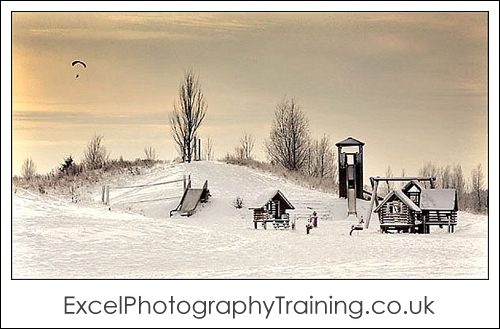
4. Composing your Shots: All the same rules apply when taking shots in winter, but there are a few techniques you can concentrate on to utilize the environmental conditions Image
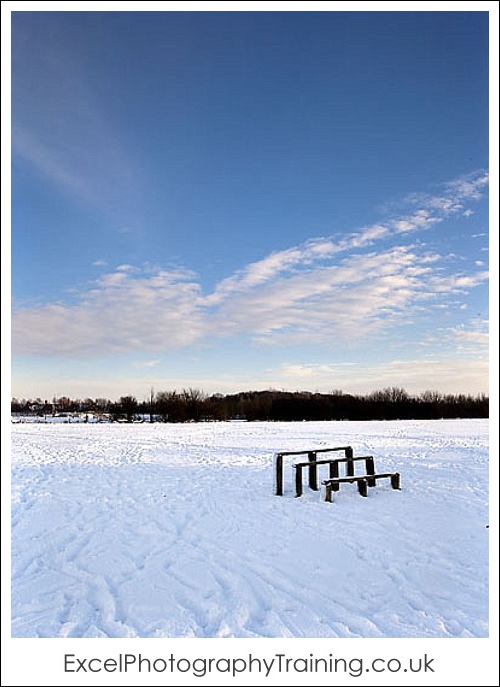
5. Look for contrasts. The bright, uniform nature of snow gives the chance to use contrast to your advantage. Look for colourful subjects and textures to put against the monochromatic snow and gloomy winter skies. If you’re shooting snow in the foreground, such as a snowman, frame the shot with a contrasting background such as a blue sky or a group of trees to pull out as much detail as possible.
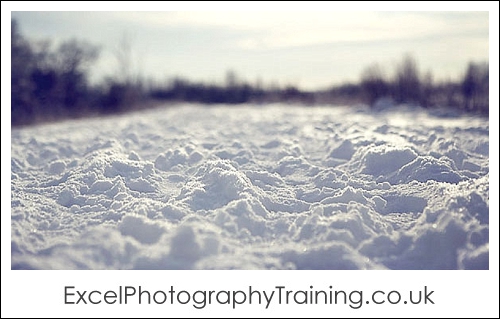
6. Use the available light. Light is scarce in the winter, so if you have the good fortune of dramatic lighting, seize the chance to get some interesting shots. Look for low angle light to create long, contoured shadows or use backlighting to set up a silhouette. In the absence of light, take your tripod out and shoot some longer exposures to capture the cool tones of twilight on the snow. With the ever-changing nature of winter light, you’ll have plenty of opportunities to experiment with different setups and figure out what type of illumination appeals to you.
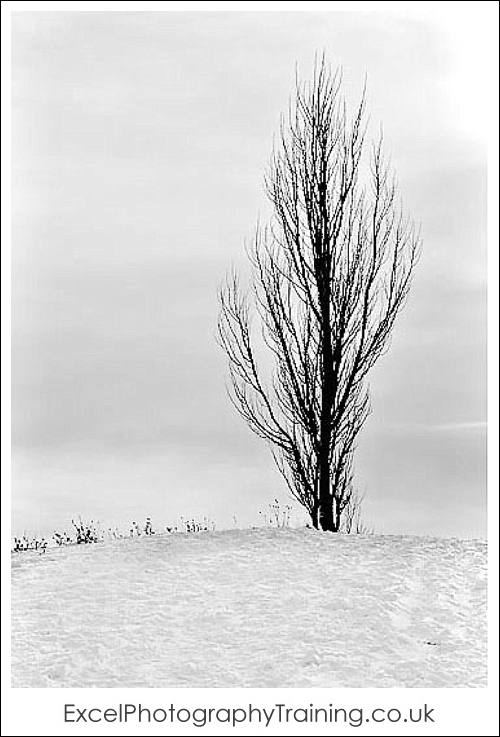
7. The quiet after the storm. One of the best times to shoot in the winter is after a weather event. From a simple frost to a full-fledged blizzard, the aftermath can allow you to produce stunning photography. Subjects that were once mundane are now incredible, such as ice-covered branches or high, sculpted snow drifts you often find at ski resorts. Plus, these shots are great to look back on as documentary pieces when you’re looking through your images in the middle of July.
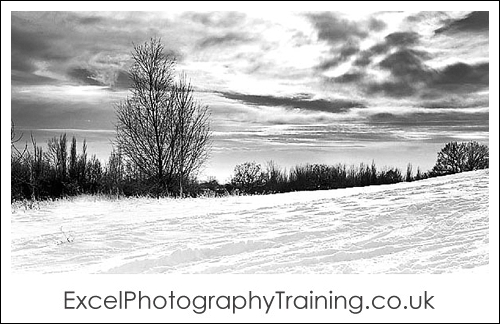
8. Strive for simplicity. Trying to keep your pictures simple is a goal for every shot, but in the winter it takes on even more importance. Draw your viewer’s eyes to your subject using string lines and colour contrasts. Create visual appeal with uncomplicated subjects that stand out from the background.
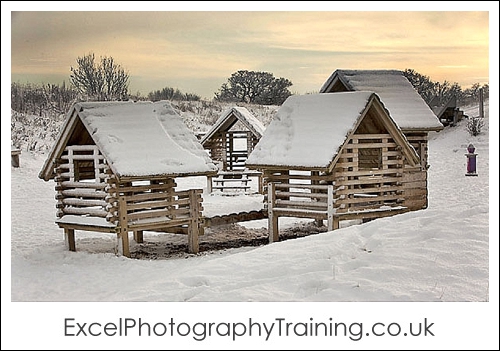
9. Consider a filter. There are many filters for digital cameras that you can use to improve your winter photography. Consider using a graduated filter to reduce the contrast between the sky and the ground, or a polarizing filter to reduce reflections from the snow. A good UV filter is always recommended when shooting in sunny conditions. Keep in mind that many of these adjustments could be made in an image-editing program, but getting the shot right in the field is always desirable.
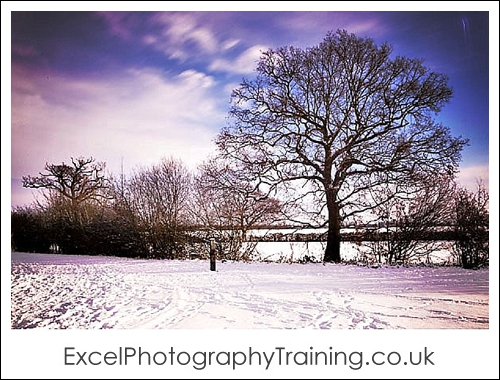
10. Get Out in the Cold The rewards of shooting in winter speak will for themselves every time you view your images. Once you develop your style for shooting in colder weather, you’ll find winter to be one of the most exciting times of year to make use of your digital camera
Have fun And while you’re out in the snow why not make the most of it and throw a few snowballs as well 🙂
For information about my various Essex photography training please visit www.ExcelPhotographyTraining.co.uk or www.JeffTurnbull.co.uk